
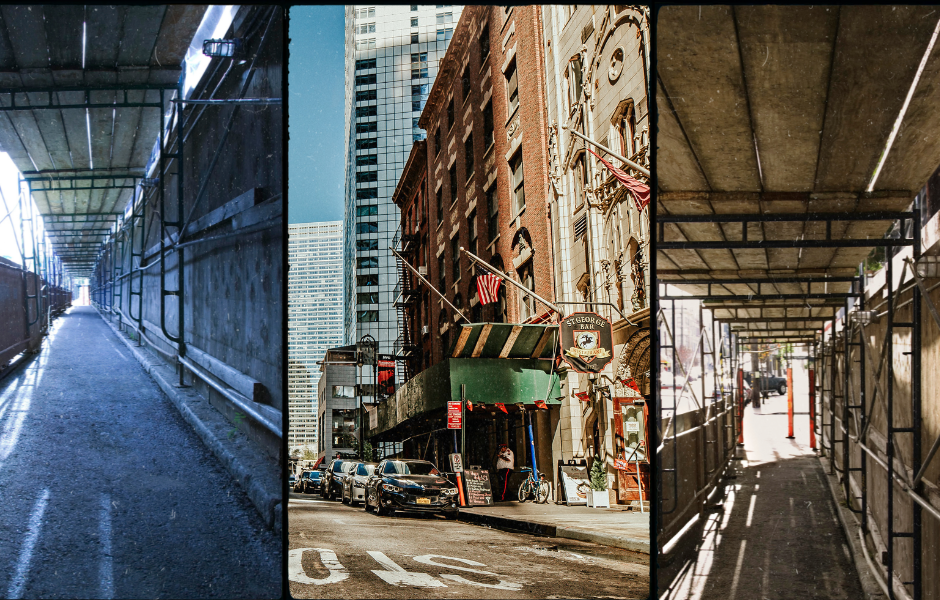
The NYC Department of Buildings has announced sweeping updates to the Façade Inspection & Safety Program (FISP), which are the most significant changes to Local Law 11 in over 40 years. These reforms aim to reduce unnecessary sidewalk sheds, lower compliance costs, and improve street-level conditions while maintaining public safety.
Timeline: When Do These Changes Take Effect?
Expected implementation: 2030 (beginning of the next FISP cycle)
The DOB is currently developing updated rules based on recommendations from an 18-month engineering study conducted by Thornton Tomasetti. Full details will be published in the coming weeks, with a formal rulemaking process to follow.
Key Changes to FISP Requirements
-
Inspection Cycle Extended to Six Years
The current five-year inspection cycle will extend to six years. This change provides building owners more time to finance and complete repairs while reducing administrative burden.
-
Revised Safety Definitions
The DOB plans to clarify facade safety definitions to emphasize the severity of conditions rather than repair timeframes. This means sidewalk sheds will only be required for facades posing actual safety hazards, not simply because a repair deadline was missed. This single change is expected to significantly reduce the number of sheds citywide.
-
Abbreviated Filing Program for Qualifying Buildings
Newer, well-maintained buildings may qualify for visual-only examinations every three years with hands-on inspections required only every 12 years. Drone inspections will be required for taller buildings. This program could substantially reduce costs and shed frequency for qualifying properties.
-
Reduced Hands-On Inspection Option
Buildings up to 20 stories that can be safely examined with binoculars from street level may qualify for reduced hands-on inspection spacing of 100 feet, rather than the current more intensive requirements.
-
Enhanced Inspection for High-Risk Buildings
Buildings with chronic deterioration patterns may be subject to additional visual-only examinations midway through each six-year cycle, ensuring problematic facades receive closer monitoring.
-
Drone Technology Pilot Program
The DOB will launch a pilot study testing drones, photogrammetry, and computer vision against traditional hands-on inspections to identify cases where drone inspections could safely replace physical access.
New Sidewalk Shed Designs
In parallel with FISP reforms, Mayor Adams unveiled six redesigned sidewalk shed options that vastly improve aesthetics while protecting pedestrians. The new designs developed by architecture firms Arup and PAU feature:
- More natural light: Angled and transparent roofs allow sunlight to reach sidewalks
- Reduced footprint: Minimized obstruction for pedestrians
- Adaptable configurations: Options for light-duty to heavy-duty projects
- Cost-effective materials: Readily available to contractors to encourage adoption
The six designs include “The Speed Shed” (quick deployment for short-term work), “The Air Shed” (cantilevered design with no sidewalk footprint), and four other variants suited for different project types. These new shed designs are expected to appear on NYC sidewalks as early as 2026.
Increased Enforcement Starting 2026
While reforms aim to reduce unnecessary sheds, new enforcement measures will hold property owners accountable for timely facade work beginning in 2026:
- Monthly Public Right of Way Penalties: Up to $6,000 for sheds standing longer than 180 days
- Milestone penalties: For FISP building owners who miss repair deadlines
- Expanded Long Standing Shed Program: Targets sheds in place for three years or more with stricter enforcement and potential court action
- Shortened permit durations: From one year to 90 days, requiring quarterly renewals with proof of progress
What This Means for Property Owners
If your building undergoes FISP inspection before 2030:
Current rules remain in effect. Continue following existing five-year cycle requirements and current safety classifications.
Planning for 2030 and beyond:
- Lower-risk buildings may qualify for less frequent hands-on inspections, reducing long-term compliance costs
- Well-maintained properties could benefit significantly from the Abbreviated Filing program
- Buildings with chronic issues should expect enhanced scrutiny through mid-cycle inspections
- All properties will gain an extra year between inspection cycles (six years vs. five)
Immediate considerations:
- If you currently have sidewalk sheds up, expect increased pressure to complete work and remove sheds, especially if they’ve been standing for over 180 days
- Budget for potential Public Right of Way Penalties starting in 2026 if shed removal is delayed
- Consider the new shed designs for upcoming projects to improve tenant and pedestrian experience
Refresher: The DOB’s “Get Sheds Down” Initiative
Since Mayor Adams launched the “Get Sheds Down” initiative in July 2023, over 15,200 total sheds have been removed citywide, including 1,663 standing for three years or more. The initiative has driven a 10 percent net reduction in sidewalk sheds across the five boroughs.
Research shows the stakes are high: sidewalk sheds cost Manhattan businesses between $3,900 and $9,500 in consumer spending each month, creating strong economic incentive to minimize their use.
Staying Compliant Through the Transition
These FISP reforms represent the most significant modernization of NYC’s facade safety program in decades. While the changes won’t take effect until 2030, property owners should begin planning now:
- Review your current FISP cycle status to understand when new rules will apply to your property
- Assess whether your building might qualify for Abbreviated Filing or Reduced Hands-On options
- Evaluate your facade maintenance history to understand if enhanced inspection requirements could apply
- If you have current sheds, prioritize completing work before 2026 enforcement escalates
For buildings approaching their next FISP cycle, maintaining detailed documentation of facade condition and repair history will be essential for qualifying for beneficial program options under the new rules.
Prise tracks FISP cycles, inspection deadlines, and shed permit expirations across your entire portfolio. As new FISP rules are finalized and implemented in 2030, we’ll automatically update your compliance calendar to reflect extended cycles, new filing options, and changing requirements, ensuring you’re positioned to take advantage of cost-saving programs while avoiding the escalating penalties coming in 2026.
Questions about how FISP reforms will affect your properties? Contact Prise for guidance on navigating the transition to new facade inspection requirements.


Recent Comments